labthinks_ ideas for a better world.
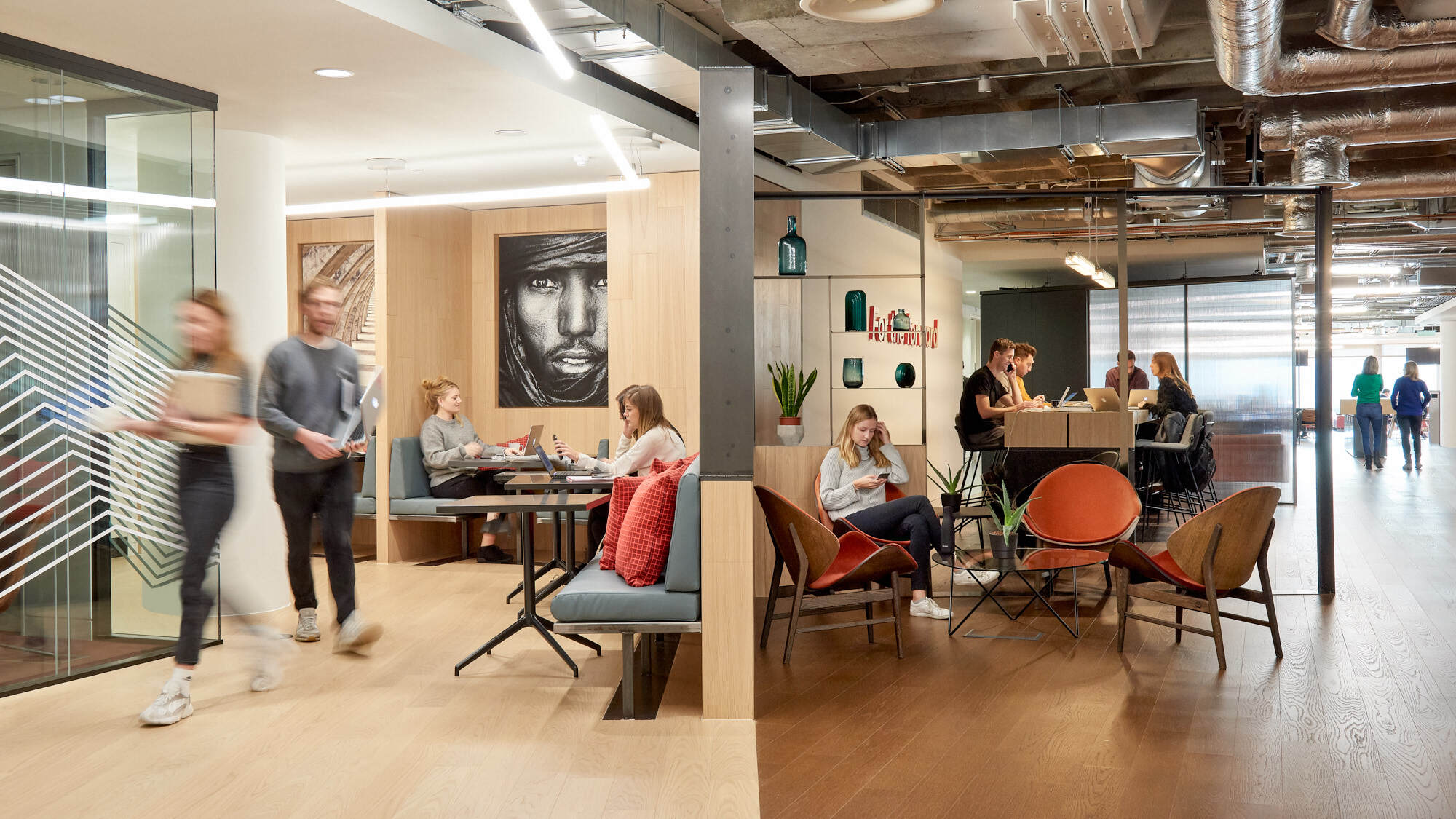
Why the future of the workplace is iterative
Businesses constantly evolve, adapt and fluctuate over time. They have to if they’re going to keep up and stay ahead in this ever-changing world we’re living in. Yet, for the most part, the workplace – and how it’s set up – stays the same. Teams might grow, ways of working might change, and yet, without ever really changing itself, the office is expected to accommodate all types of transformation.

That’s until a lease break starts to loom…
Once the lease break or end hits, the business then begins to question whether their workplace is truly meeting their needs. So, typically, they hire a workplace consultancy to establish an understanding of their needs and how they work. This then shapes and informs the design brief and strategy. The workplace consultant will normally carry out a manual observation study over a one or two-week period. This helps to develop a clear picture of how they use their existing space. But the problem with recording how they use their workplace over a two-week period is just that; it’s a two-week snapshot in time. While you can identify certain behavioural patterns, it’s hard to establish an accurate long-term picture of exactly how the space is utilised. But that’s all the data the design team has to go on.
18 months or so later, their new home is complete and ready for them to move in…
After a long 18 months of decisions, initially the space is great. It looks fresh and new, supports how they work, and reflects them and their brand. But, chances are, they’ve already evolved since that initial observation study; almost two years ago, and will continue to adapt and grow as they navigate the increasingly fast-changing landscape. Ways of working will change, management shifts, and teams grow and shrink. As this happens, the suitability of their space slowly declines over time.
And then, once again, the lease break comes around, the space no longer works for them, and it’s time for a rethink. So back come the workplace consultants, and the whole process starts again.

The question is, why do we keep doing this to ourselves?
There are many reasons why this approach is problematic: it’s expensive, disruptive for the business and their people, and, most importantly, it’s bad for the planet (the construction industry alone accounts for 60% of all materials used globally). It’s also, for the most part, entirely unnecessary. As a business adapts and evolves, their space needs to too. But they lack the data to track how their space is used, and the knowledge and insights to then continually adapt and shape their space based on this data.

keeping your real estate fit for the future.
Imagine if, instead of having to relocate to a new home every time a lease break comes around, or retrofit their existing space, they were able to make small, iterative changes over time, enabling their space to constantly evolve with them. Imagine, not only how much money this could save the business, but also the potential of always having a space shaped precisely to best support them and their people. And also the impact on the planet. From this idea, sense_ was born.
sense_ tracks how a business uses its workplace in real-time, and translates this data into actionable insights. It identifies patterns of use, such as which types of spaces and furniture are popular, and which are underutilised. It then delivers insights and recommendations based on these findings; continually advising on how to better set up and shape the workplace to support their people.
The way we all work – and live – has changed over the past year more than we could ever have imagined. No one truly knows what the role of the workplace will be moving forward. More than ever, we need an informed, measured and data-driven approach to how businesses use and adapt space. One that grows with you, and enables space to evolve with this ever-changing world.

